

Mobile & Tablet Speaker Drivers


Established in 2009 as a domestic well-known electro-acoustic enterprise, Shenzhen Xuanda Electronics Co.,Ltd(XDEC) has been specializing in R&D, manufacture and marketing of various speaker, receiver, microphone and other electro-acoustic products which are widely applied in headphones, mobile phones, walkie-talkies, point-and-click pens, learning machines, Cordless telephone, laptops, portable dvds, TV, navigation devices, building security, car audio-visual, mini-audio and other consumer electronics products as well as communications equipments etc.
Why Choose Us
High quality
Our products are manufactured or executed to very high standards, using the finest materials and manufacturing processes.
Competitive Price
We offering a higher-quality product or service at an equivalent price. As a result we have a growing and loyal customer base.
Rich experience
Our company has many years of production work experience. The concept of customer-oriented and win-win cooperation makes the company more mature and stronger.
Global shipping
Our products support global shipping and the logistics system is complete, so our customers are all over the world.
After-sale service
Professional and thoughtful after -sales team, let you worry about us after -sales Intimate service, strong after -sales team support.
Advanced equipment
A machine, tool or instrument designed with advanced technology and functionality to perform highly specific tasks with greater precision, efficiency and reliability.
What Is Intercom Speaker Driver?
An intercom speaker driver is a component within an intercom system that is responsible for driving or powering the speakers used in the system. Intercom systems are communication devices typically found in large buildings, such as hotels, hospitals, office complexes, and apartment buildings, allowing people to communicate with each other across different rooms or floors.
The speaker driver is an integral part of the intercom system's hardware that interfaces with the speakers to produce sound. It takes the electrical audio signals transmitted through the intercom network and amplifies them to a level that can be efficiently converted into audible sound waves by the connected speakers.
Enhanced communication: An intercom speaker driver enables clear and effective communication between different areas within a building, making it easier for people to stay connected.
Wide coverage: Intercom systems equipped with speaker drivers can cover a large area, such as an entire office building or hotel, ensuring that everyone can be reached easily.
Emergency notification: In case of emergencies, the intercom system with a speaker driver allows quick and efficient communication to alert people and provide instructions.
Integration with other systems: Intercom speaker drivers can integrate with security systems, fire alarms, and other building management systems, providing a centralized communication hub.
Customization options: Depending on the model, intercom speaker drivers may offer features like volume adjustment, multiple zones, and paging capabilities, enhancing the functionality of the intercom system.
Durability and reliability: High-quality intercom speaker drivers are designed to withstand heavy usage and harsh environments, ensuring long-lasting performance.
Easy installation and maintenance: Most intercom speaker drivers are easy to install and require minimal maintenance, making them user-friendly and cost-effective.
Privacy protection: Intercom systems with speaker drivers can be configured to maintain privacy, allowing only authorized personnel to use the system for communication.
Cost-effective solution: An intercom speaker driver provides an efficient and economical solution for businesses and organizations looking to enhance their communication infrastructure without significant investment.
Versatility: Intercom speaker drivers can be used in various settings, including commercial, residential, educational, and healthcare facilities, making them a versatile solution for different needs.
Types of Intercom Speaker Driver
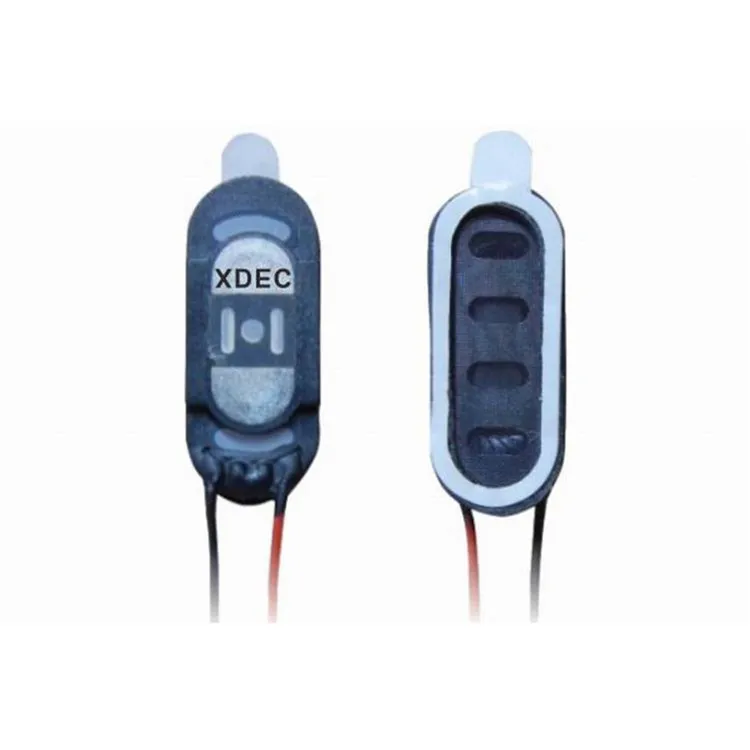

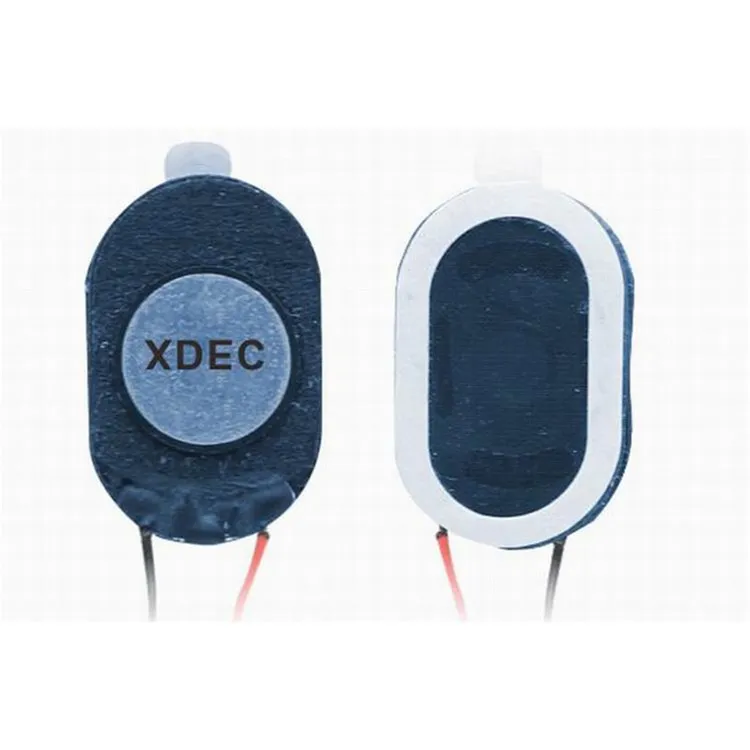
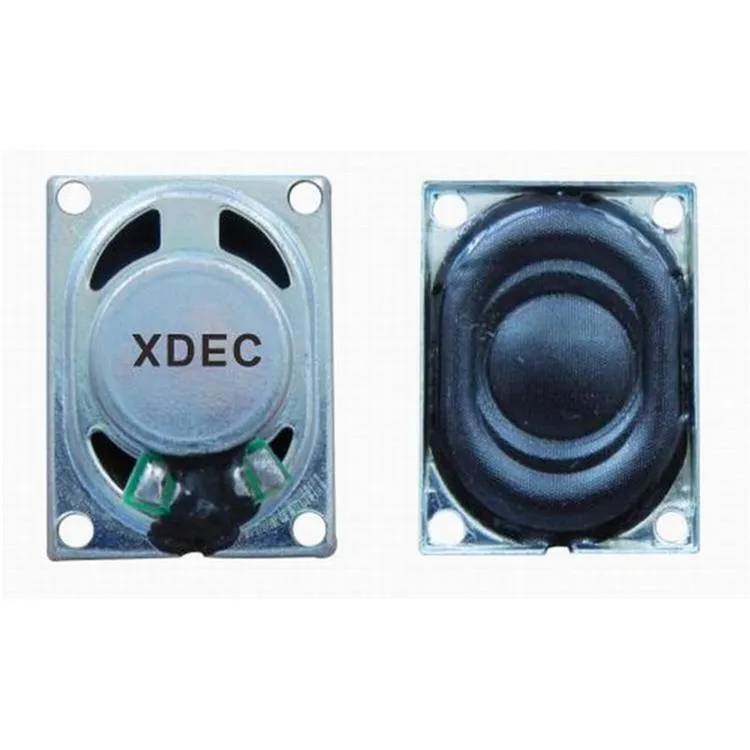
Electromagnetic speaker drivers: These speaker drivers rely on a dynamic electromagnetic coil that creates a magnetic field to drive the speaker cone. They are commonly used in intercom systems due to their affordability and durability.
Piezoelectric speaker drivers: Piezoelectric speaker drivers utilize the piezoelectric effect, which produces electrical signals when mechanical stress is applied to certain materials. These drivers are compact, lightweight, and suitable for small intercom installations.
Horn speakers: Horn speakers feature a distinctive shape that helps to project sound over longer distances. They are often used in paging systems and large intercom installations where loud and clear audio is required.
Surface mount device (SMD) speakers: These are tiny speaker drivers designed for applications where space is limited. They are commonly used in modern intercom systems that require sleek designs and minimal footprint.
Line array speakers: Line array speakers consist of multiple speaker elements arranged in a line. They are capable of producing high-quality sound over a wide area, making them suitable for large intercom installations in open spaces.
In-wall speakers: In-wall speakers are designed to be installed within the walls of a building. They are ideal for intercom systems where aesthetics and inconspicuous placement are important considerations.
Outdoor speakers: Outdoor intercom speaker drivers are designed to withstand harsh weather conditions. They are typically waterproof, dustproof, and UV-resistant, ensuring reliable performance in outdoor settings.
Wireless speakers: Wireless intercom speaker drivers connect to the intercom system via radio frequency (RF) technology, eliminating the need for physical wiring. They offer flexibility and ease of installation, particularly in retrofit projects.
Residential buildings: Intercom speaker drivers are used in apartments, condominiums, and townhouses to enable residents to communicate with visitors, delivery personnel, or each other.
Commercial offices: In office buildings, intercom speaker drivers facilitate internal communication between employees, receptionists, and different departments.
Healthcare facilities: Hospitals and clinics use intercom speaker drivers for internal communication among staff, patient care, and emergency notifications.
Educational institutions: Schools, colleges, and universities employ intercom speaker drivers for paging announcements, emergency alerts, and communication between faculty and students.
Hotels and accommodation services: Hotels utilize intercom speaker drivers for guest room communication, front desk operations, and housekeeping purposes.
Retail stores and shopping malls: Intercom speaker drivers in retail environments assist with store operations, customer service, and emergency communication.
Manufacturing plants and industrial settings: In industrial facilities, intercom speaker drivers are used for worker communication, safety protocols, and emergency response.
Transportation hubs: Airports, train stations, and bus terminals utilize intercom speaker drivers for public address systems, passenger information, and emergency notifications.
Public safety and law enforcement: Police stations, fire departments, and other emergency services rely on intercom speaker drivers for internal and external communication during operations.
Event venues and conference centers: Intercom speaker drivers are utilized in event spaces to make announcements, provide directions, and manage audio during conferences and gatherings.
Magnetic circuit: This includes the magnet and the voice coil. The magnet creates a magnetic field that interacts with the voice coil to produce sound.
Voice coil: The voice coil is a winding of copper wire that is attached to the speaker cone. When an electric current passes through the voice coil, it moves back and forth within the magnetic field, causing the cone to vibrate and produce sound waves.
Diaphragm or cone: The diaphragm or cone is the part of the speaker that vibrates to produce sound. It is typically made of lightweight yet durable material such as paper, plastic, or metal.
Suspension system: This includes the surround and the spider. The surround holds the edges of the cone in place, while the spider provides centering force to keep the cone aligned.
Frame: The frame provides structural support for the speaker driver and ensures that all components are properly aligned.
Input jack or terminal
This is where the speaker driver connects to receive the audio signal from the intercom system.
Grille
The grille protects the speaker driver from dust and damage while allowing the sound to pass through.
Enclosure or cabinet
The enclosure or cabinet houses the speaker driver and helps control the low-frequency sound waves produced by the speaker.
Material of Intercom Speaker Driver
Magnets: Typically made of neodymium, Ferrite, or Alnico, magnets are crucial for creating the magnetic field that drives the speaker cone.
Voice coils: Voice coils are usually made of copper wire, which is wound around the former and acts as an electromagnet to interact with the magnetic field of the speaker driver.
Cones or diaphragms: Materials used for cones or diaphragms can include paper, polypropylene, metal foil, or composite materials. These materials should be lightweight yet rigid enough to efficiently transmit vibrations into sound waves.
Spiders and surrounds: These components are often made of flexible materials like rubber, foam, or cloth. They provide support and control to the cone during vibration.
Frames: The frames of speaker drivers can be manufactured using steel, aluminum, or other metals. They provide structural stability and support for the entire speaker assembly.
Terminals or input jacks: These are typically made of durable metals such as brass or nickel-plated copper for secure and reliable connections.
Grilles: Grilles can be made from various materials, including plastic, metal, or fabric, and may be painted or coated to match the aesthetic of the intercom system.
Enclosures: Enclosures or cabinets can be constructed from wood, MDF (medium-density fiberboard), plastic, or other materials chosen for their acoustic properties and ability to protect the speaker driver.
Process of Intercom Speaker Driver
The process of manufacturing an intercom speaker driver involves several steps, which can vary depending on the specific type and model of the speaker driver. Here is a general overview of the typical manufacturing process for intercom speaker drivers:
Material selection: The first step is to select the appropriate materials for each component of the speaker driver, such as the magnet, voice coil, cone, and frame. These materials are chosen based on their mechanical and electrical properties, as well as their cost-effectiveness and suitability for the intended application.
Component manufacturing: Each component of the speaker driver is manufactured separately. For example, the magnet is cast or molded into shape, the voice coil is wound onto a former, and the cone is cut out of the selected material.
Assembly: Once all the components have been manufactured, they are assembled together onto the frame of the speaker driver. The voice coil is attached to the cone, which is then mounted onto the frame along with the magnet and any additional components.
Testing: After assembly, the speaker driver undergoes testing to ensure that it meets the required performance specifications, such as frequency response, sensitivity, and power handling. This testing may involve both automated and manual procedures.
Finishing: Finally, any necessary finishing touches are applied to the speaker driver, such as painting or coating the frame, installing the terminal or input jack, and attaching the grille.
Packaging: The completed speaker driver is packaged for shipment and distribution to customers or retailers.
How to Maintain Intercom Speaker Driver
Regular cleaning
Dust and dirt can accumulate on the speaker driver over time, which can affect the sound quality. Use a soft, dry cloth to gently clean the speaker driver surface and the grille, if applicable. Avoid using harsh chemicals or abrasive materials that could damage the speaker driver.
Inspection
Regularly inspect the speaker driver and its components for any signs of damage, such as cracks in the cone or loose connections. Check the wiring and connections for any signs of wear or corrosion, and replace them if necessary.
Protection
Keep the speaker driver protected from extreme temperatures, moisture, and direct sunlight, as these can cause damage to the speaker driver and its components over time.
Storage
If the speaker driver is not in use, store it in a dry, cool place away from dust and moisture. Avoid storing the speaker driver in direct sunlight or extreme temperatures.
Professional maintenance
Consider having the speaker driver professionally maintained or repaired by a qualified technician if you notice any issues with the sound quality or performance of the speaker driver.
Regular use
Regular use of the speaker driver can help prevent it from drying out and deteriorating over time. However, avoid exposing the speaker driver to excessive amounts of power or playing at extremely high volumes, as this can damage the speaker driver.
Audio signal reception: The intercom system receives audio signals from one or more users who press the talk button to communicate.
Signal amplification: The speaker driver takes these signals, which are typically weak, and amplifies them using a built-in amplifier circuitry.
Power distribution: The amplified signals are then distributed to the appropriate speakers throughout the building via a wired or wireless connection.
Sound production: The amplified signals drive the speakers, causing them to vibrate and produce sound waves that can be heard by the intended recipient(s).
Volume adjustment: Some intercom speaker drivers may include a volume control feature that allows users to adjust the loudness of the output sound.
It's important to note that intercom speaker drivers must be compatible with the specific type of speakers used in the intercom system. The driver's specifications, such as power output and impedance matching, should align with those of the connected speakers to ensure optimal performance.
How to Choose Intercom Speaker Driver Correctly
Choosing an intercom speaker driver correctly involves several factors. Here are some tips to help you make the right choice.
Determine the type of intercom system you have: There are different types of intercom systems, such as wired, wireless, and internet-based systems. Make sure you choose a speaker driver that is compatible with your system.
Consider the size and location of the speaker: The size and location of the speaker driver can affect its performance. For example, if the speaker driver is too small, it may not produce enough sound. If it's too big, it may not fit in the designated space. Also, consider the environmental factors where the speaker will be located, such as humidity and temperature.
Check the power requirements: Different speaker drivers require different levels of power to operate. Make sure you choose a speaker driver that is compatible with the power source of your intercom system.
Evaluate the sound quality: The sound quality is an important factor to consider when choosing a speaker driver. Look for a speaker driver that can produce clear and loud sound.
Set your budget: Intercom speaker drivers come at different price ranges. Determine your budget and look for the best option within your price range.
Read reviews and compare products: Reading reviews from other users and comparing different products can give you an idea of the performance and reliability of different speaker drivers.
How Do I Install an Intercom Speaker Driver?
1.Turn off the power to the intercom system and unplug it from the wall outlet.
2.Locate the intercom speaker driver in the system and remove it from its mounting bracket.
3.Connect the speaker wires from the intercom system to the corresponding wires on the back of the speaker driver. Be sure to follow the manufacturer's instructions carefully to ensure proper connection.
4.Reinstall the speaker driver into the mounting bracket and secure it in place with screws.
5.Plug the intercom system back into the wall outlet and turn on the power.
6.Test the intercom speaker driver by playing a sound through it and checking to see if it is producing clear and consistent sound.
It is important to note that the specific installation process can vary depending on the make and model of the intercom speaker driver, as well as the complexity of the intercom system. Therefore, it is recommended that you consult the manufacturer's instructions or contact customer support for further assistance if you are unsure about any aspect of the installation process.
Using the wrong components: It is crucial to select the appropriate components for your intercom speaker driver, such as the correct voice coil, magnet, and cone. Using the wrong components can result in poor sound quality, reduced efficiency, and even damage to the driver.
Improper assembly: Proper assembly is critical to the performance and reliability of an intercom speaker driver. Improperly assembling the driver can result in poor sound quality, reduced efficiency, and potential damage to the driver.
Ignoring safety precautions: When building an intercom speaker driver, it is essential to follow proper safety precautions to avoid injury or damage to equipment. This includes wearing appropriate personal protective equipment, using proper tools and techniques, and following all manufacturer guidelines.
Not testing the driver: Before installing an intercom speaker driver, it is crucial to test it to ensure it is working correctly. Failure to test the driver can result in poor sound quality, reduced efficiency, and potential damage to the driver and other system components.
Not considering the environment: The environment where the intercom speaker driver will be used can significantly impact its performance. It is crucial to consider factors such as temperature, humidity, and exposure to moisture and corrosive materials when designing and building the driver.
Our Factory
Founded in 2009, our company is a well-known domestic electroacoustic high-tech enterprise integrating R & D, production and sales. Our products include: speaker drivers, sound receiver, microphones and other electroacoustic products.


Our Certificate




Video
FAQ
Q: What is an intercom speaker driver?
Q: Why do I need to install an intercom speaker driver?
Q: How difficult is it to install an intercom speaker driver?
Q: What tools do I need to install an intercom speaker driver?
Q: Where should I install the intercom speaker driver?
Q: How do I connect the intercom speaker driver to the system?
Q: Can I install multiple intercom speaker drivers in the same system?
Q: How do I test the intercom speaker driver after installation?
Q: What should I do if the intercom speaker driver is not working properly?
Q: How long does it take to install an intercom speaker driver?
Q: Do I need any special training or qualifications to install an intercom speaker driver?
Q: What is the best way to clean and maintain my intercom speaker driver?
Q: Can I install an intercom speaker driver myself, or do I need to hire a professional?
Q: How much does it cost to install an intercom speaker driver?
Q: What is the warranty period for an intercom speaker driver?
Q: What is the easiest and simplest type of intercom installation?
The easiest and simplest type of intercom installation is a wireless intercom system. Wireless intercom systems are cloud-based, meaning they don't require extensive wiring throughout the property.
Q: What are the different types of intercom systems?
Q: Can I make my own intercom?
Q: What wire do you use for intercom?
Q: What cable do I need for intercom?
For a connection between a door station and PoE switch or monitor and PoE switch Cat5e will easily cater to your intercom nestork requirements. The majority of new systems (new installations rather than retrofit) will be utilise CAT5e / CAT6 cable to connect intercom systems to the network.
We're well-known as one of the leading mobile & tablet speaker drivers manufacturers in China. If you're going to wholesale high quality mobile & tablet speaker drivers made in China, welcome to get free sample from our factory. Also, customized service is available.
Mobile Speaker Tweeter